At Frampton Farm Education, we recognise that every learner has different strengths, abilities, interests and support needs.
Our practical, farm-based learning environments provide opportunities for children and young people to develop confidence, independence and skills through meaningful, hands-on experiences.
We welcome learners with a range of special educational needs and disabilities (SEND), social, emotional and mental health (SEMH) needs and barriers to traditional classroom learning.
Our approach focuses on understanding individual needs, adapting teaching methods where appropriate and helping learners work towards achievable educational and personal goals.
As our programmes vary in structure, staffing and qualification requirements, we consider each learner's suitability and support needs before enrolment.
While we welcome learners with a wide range of abilities and additional needs, most of our vocational qualifications require a reasonable level of literacy to access learning materials, understand instructions and complete theory-based assessments.
Learners do not need to be academically strong, and we provide appropriate teaching support and reasonable adjustments where possible. However, learners must be able to engage with the learning and demonstrate the knowledge and skills required for their chosen qualification.
For learners with more significant literacy difficulties, we can explore alternative learning pathways, including Entry Level qualifications or AQA Unit Awards, where these are more appropriate to their abilities and learning needs.
We consider each learner's abilities, strengths and support requirements when exploring suitable programmes.
Practical demonstrations, visual resources and adapted teaching approaches support different learning styles.
Our activities encourage confidence, communication, practical skills and increasing independence.
We work with families, schools and professionals to consider appropriate learning and support arrangements.
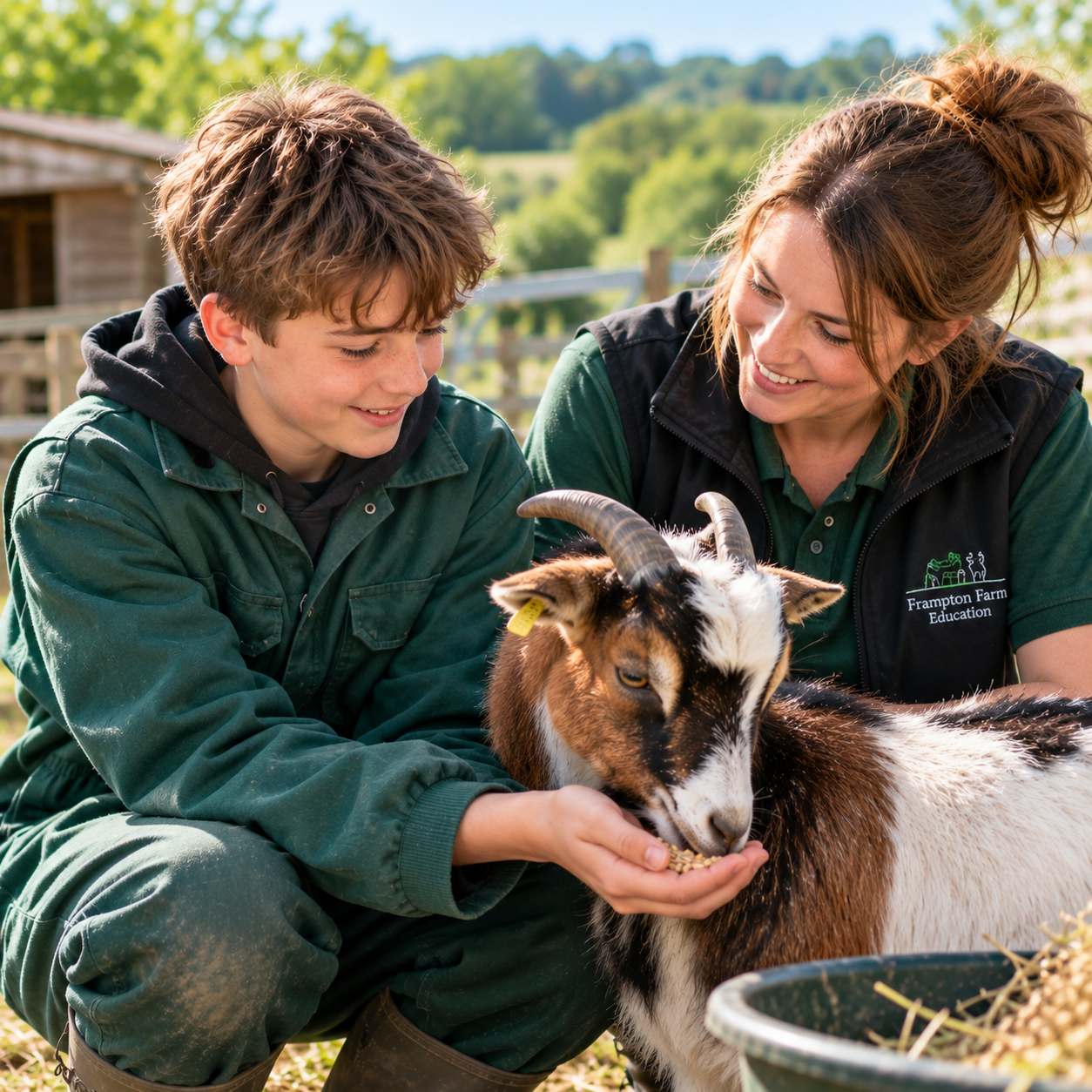
We understand that learners may have different educational experiences, communication needs, levels of confidence and abilities.
Before enrolment, we encourage parents, carers, schools and professionals to share relevant information about the learner's strengths, interests, support requirements and any difficulties they may experience.
This helps us consider which programmes may be suitable, whether group learning or individual tuition would be more appropriate and what reasonable adjustments may be required.
Where appropriate, we may recommend a pre-visit or introductory session to help the learner become familiar with the environment and allow our team to consider their needs.
Our aim is to identify learning opportunities that are appropriate, achievable and supportive while maintaining the safety and wellbeing of learners, staff and animals.
Discuss Individual Support Needs
Our practical activities provide opportunities for learners to develop knowledge and skills through hands-on experiences.
Animal care, horticulture and land-based tasks can help learners build confidence, practise communication, develop problem-solving skills and experience achievement.
Activities are adapted where appropriate to support participation while maintaining safety and learning objectives.
Explore Learning ProgrammesWe recognise that learners may need different approaches to understand instructions, complete activities and demonstrate their learning.
Our staff use practical demonstrations, visual resources, manageable learning tasks and additional processing time where appropriate.
We aim to develop independence gradually while providing guidance and encouragement suited to the learner's needs.
Explore Our Teaching ApproachOur team uses a range of teaching approaches to help learners access practical activities and structured learning. Support is adapted where appropriate to the programme, individual needs and available staffing.
Pictures, demonstrations and clear instructions help learners understand activities and expectations.
Additional time and opportunities to clarify instructions help learners work at an appropriate pace.
Showing learners how to complete tasks helps develop understanding, confidence and practical skills.
Breaking activities into smaller steps supports understanding, engagement and gradual independence.
We aim to provide supportive learning environments where learners can develop confidence, practical skills and independence.
Our group-based courses typically have one tutor and one Teaching Assistant supporting up to 10 learners.
Staff provide teaching, practical demonstrations, guidance and assistance throughout sessions, adapting their approach to accommodate different learning needs where possible.
However, staff support is shared across the group. Learners must be able to participate safely and engage in activities without requiring continuous individual supervision.
Learners who require continuous or dedicated one-to-one support may be able to access this through an individually arranged and funded support package.
Dedicated one-to-one support is not included within standard group course fees and must be discussed, agreed and funded separately before a placement begins.
We encourage parents, carers, schools and commissioning organisations to discuss individual support requirements with us before enrolment.
This allows us to consider whether the learner can be appropriately supported within a group or whether additional staffing or individual tuition would be more suitable.
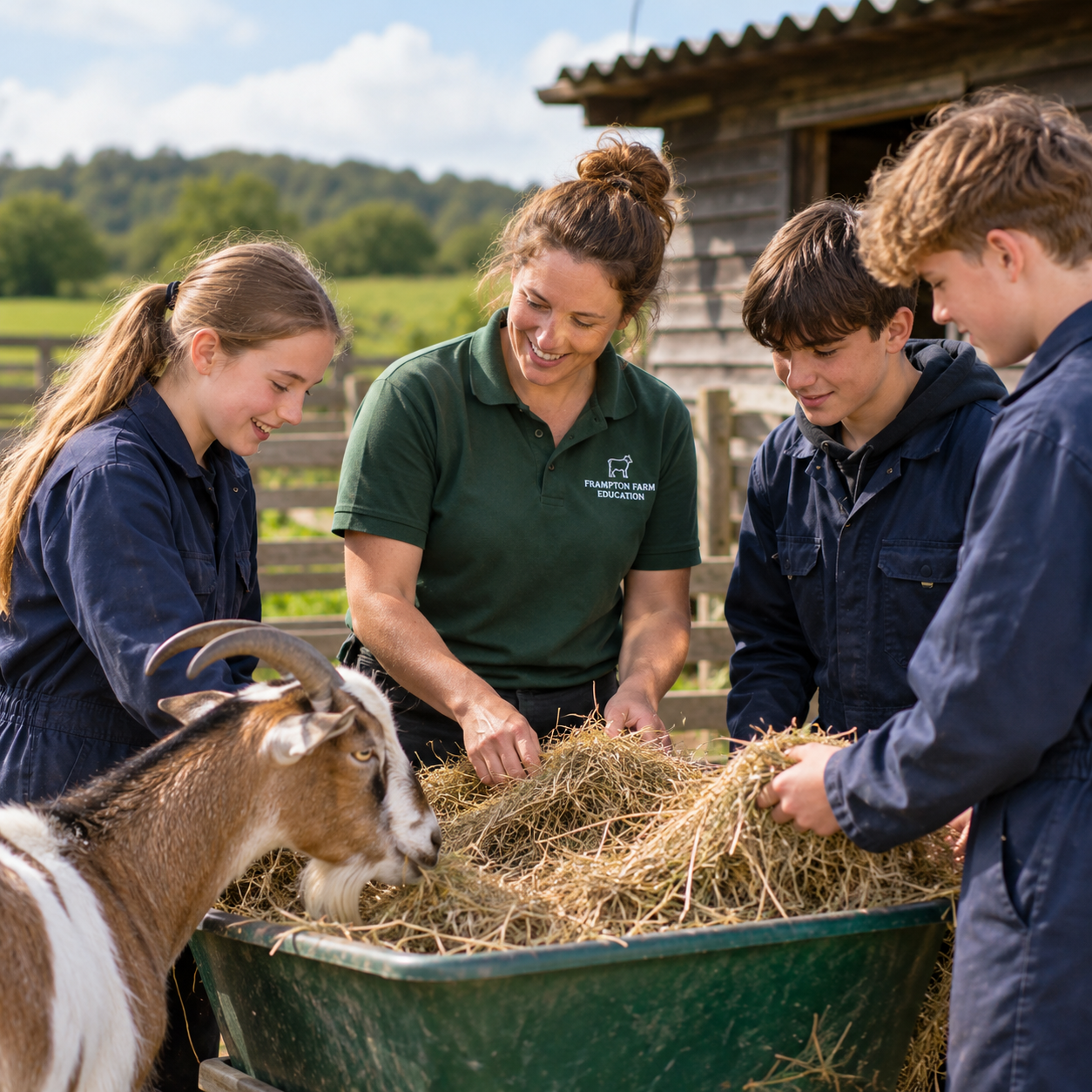
We aim to make our vocational qualifications accessible to learners with different abilities and additional learning needs wherever appropriate.
Reasonable adjustments may include adapted teaching resources, additional processing time, practical demonstrations and alternative ways of accessing learning activities.
For City & Guilds qualifications, learners must still demonstrate the knowledge, understanding and practical competence required by the relevant assessment criteria.
Some adjustments to assessment arrangements may require approval from the awarding organisation, and support must not compromise the validity or independence of assessment evidence.
We work with learners, families and schools to consider suitable qualifications and appropriate adjustments before enrolment.
Our aim is to support learners to achieve meaningful qualifications while maintaining the required standards.
Explore Vocational Qualifications
We recognise that some learners may experience anxiety, low confidence, difficulties with emotional regulation or challenges engaging in traditional learning environments.
Our farm-based activities provide opportunities to learn through practical experiences, develop positive relationships and build confidence gradually.
We aim to provide predictable routines, clear expectations and supportive communication while recognising individual needs.
Learners are encouraged to develop independence, resilience, teamwork and a sense of achievement through meaningful activities.
Where additional emotional or behavioural support is required, we encourage families and professionals to discuss this with us so that suitable arrangements can be considered.
Our provision is educational and supportive but is not a clinical therapy service.
Our learning centres operate within working farm environments, where activities may involve animals, outdoor terrain, tools and practical tasks.
Frampton Farm is situated on a hillside with uneven ground and steep slopes, which can present significant challenges for learners with mobility difficulties or wheelchair users.
We encourage families and professionals to discuss any physical, medical, sensory or additional support requirements before enrolment so that we can consider the suitability of the environment and available activities.
Where possible, we will explore reasonable adjustments and alternative arrangements, although not all areas or activities can be made accessible.
Facilities and accessibility arrangements may differ between Frampton Farm and Poppies Farm.
Discuss Learner Support


Practical Education Beyond the Classroom
Providing practical, farm-based education, recognised qualifications and alternative learning opportunities at Frampton Farm in Kent and Poppies Farm in Berkshire, helping young people develop confidence, independence and skills for the future.
Access course materials, complete theory activities and keep up with your learning using Moodle.
Download the Moodle app for your phone or tablet.